
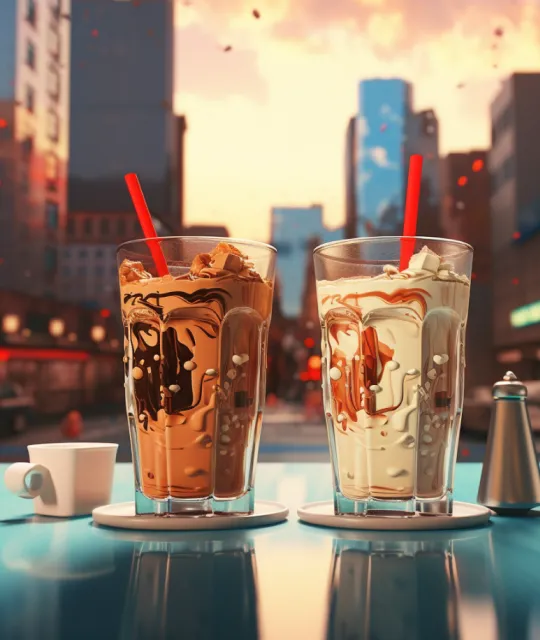
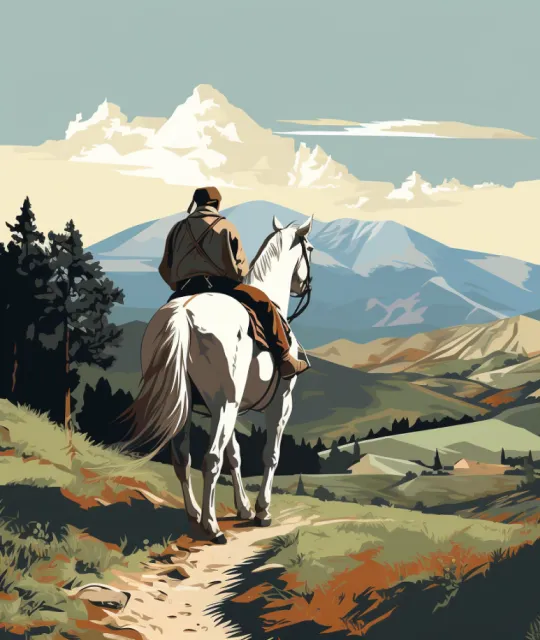


The user selects the input parameters that will guide the generation of the AI image.
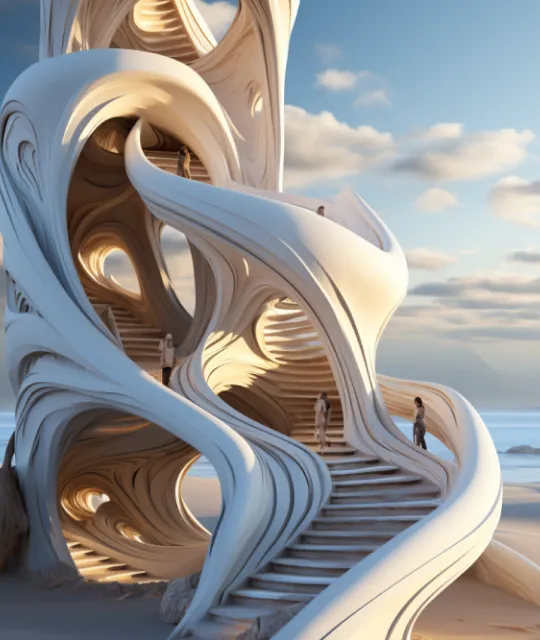
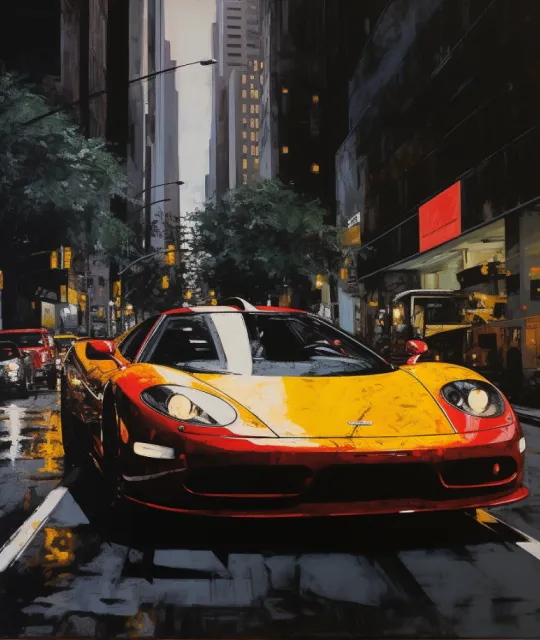
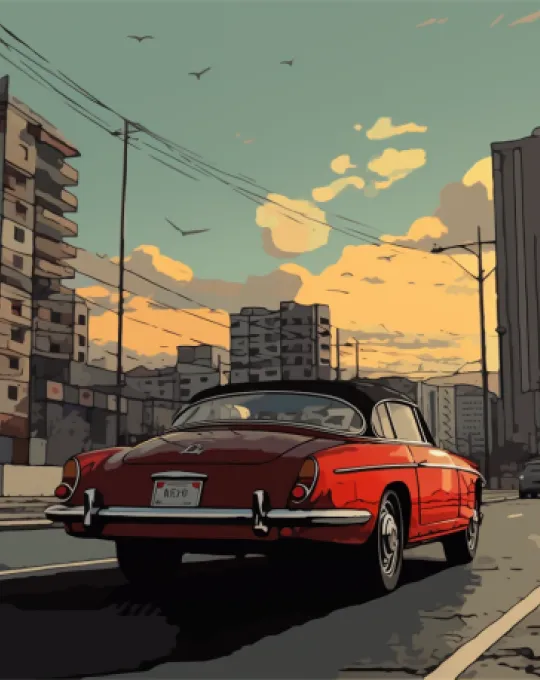
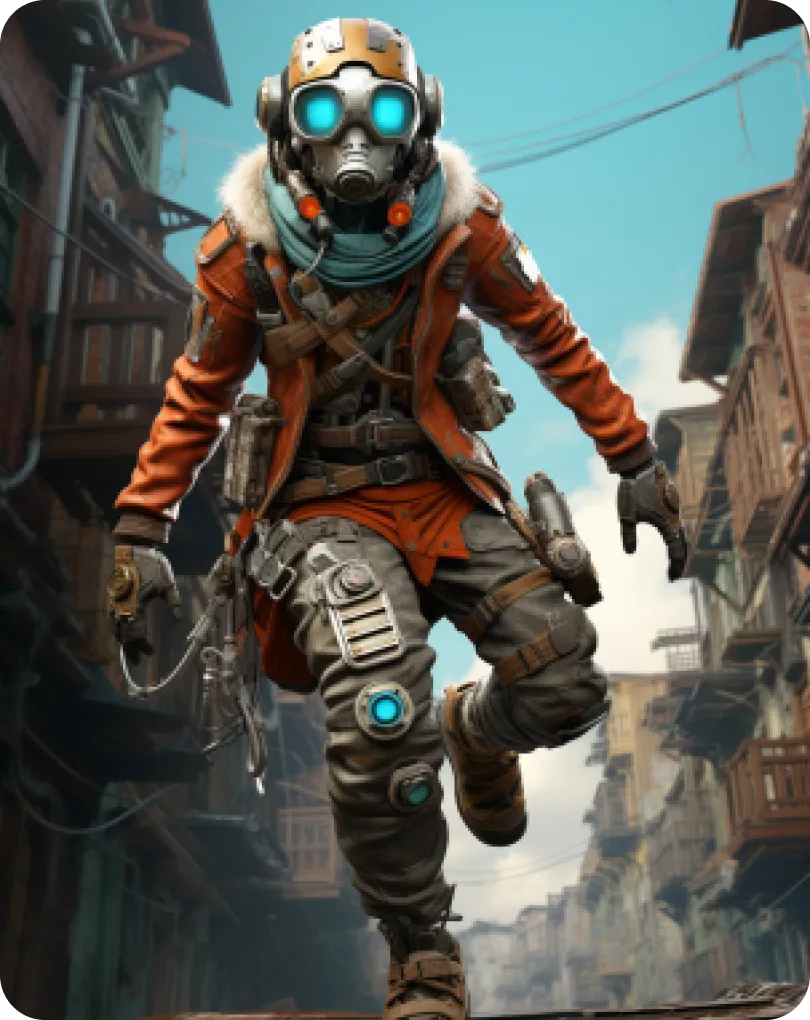
These inputs might include the image style (e.g., realistic, abstract, cartoonish), the color palette, and the subject matter (e.g., landscape, animal, human).


YONAREZIは顧客の商売繁盛にコミットします

.png)
.png)
.png)
YONAREZIで全部叶う自動計算システム。
紙を使って、POSを使って、エクセルに手入力してといった
二度手間、三度手間。
そんなアホらしい仕事をなくするために生まれたのがYONAREZI

.png)
.png)
.png)
.png)
YONAREZIなら店舗にあった取引の記録と管理が可能。
YONAREZIを通じて運営するだけで、営業後の日報はボタンひとつで。
指図されるのではなく、指揮を取る。
YONAREZIはワンストップのパワーを与えるデザイン。
手にしたくなる道具としてのデザインとしてのこだわり。
The user selects the input parameters that will guide the generation of the AI image.
These inputs might include the image style (e.g., realistic, abstract, cartoonish), the color palette, and the subject matter (e.g., landscape, animal, human).
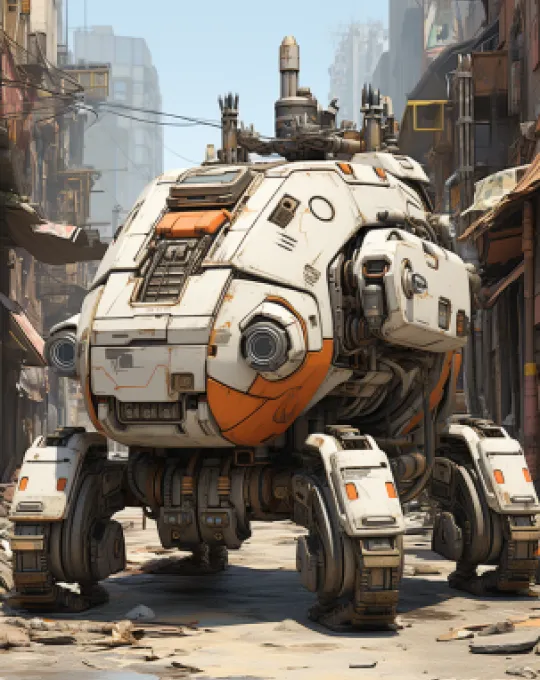


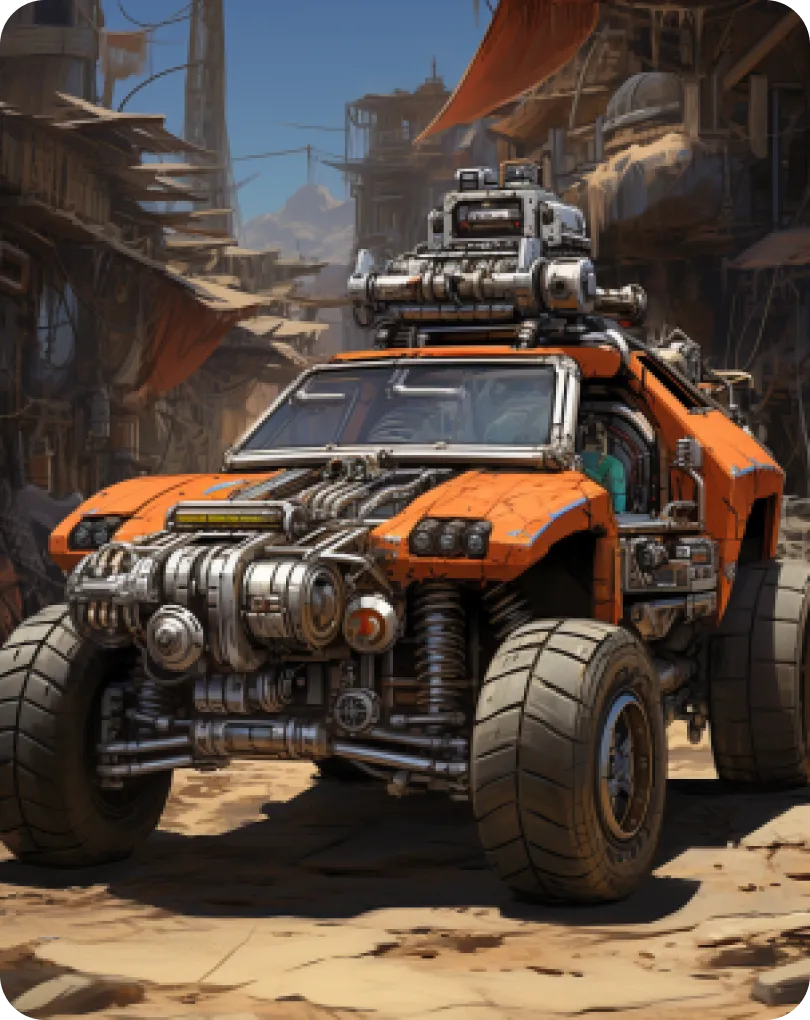









The user selects the input parameters that will guide the generation of the AI image.
These inputs might include the image style (e.g., realistic, abstract, cartoonish), the color palette, and the subject matter (e.g., landscape, animal, human).
The selected input parameters are then encoded into a numerical format that can be interpreted by the AI algorithm.
This encoding process typically involves converting the inputs into a vector or matrix of numerical values.
Once the inputs are encoded, the AI algorithm uses its knowledge of image patterns and features to generate a new image that fits the desired specifications.
This process might involve using techniques such as convolutional neural networks, generative adversarial networks.
Our AI algorithm allows users to specify certain parameters or constraints for image generation, such as the size or color of the output image.
If you have featured guest bloggers on your site, highlight their contributions in this section.